
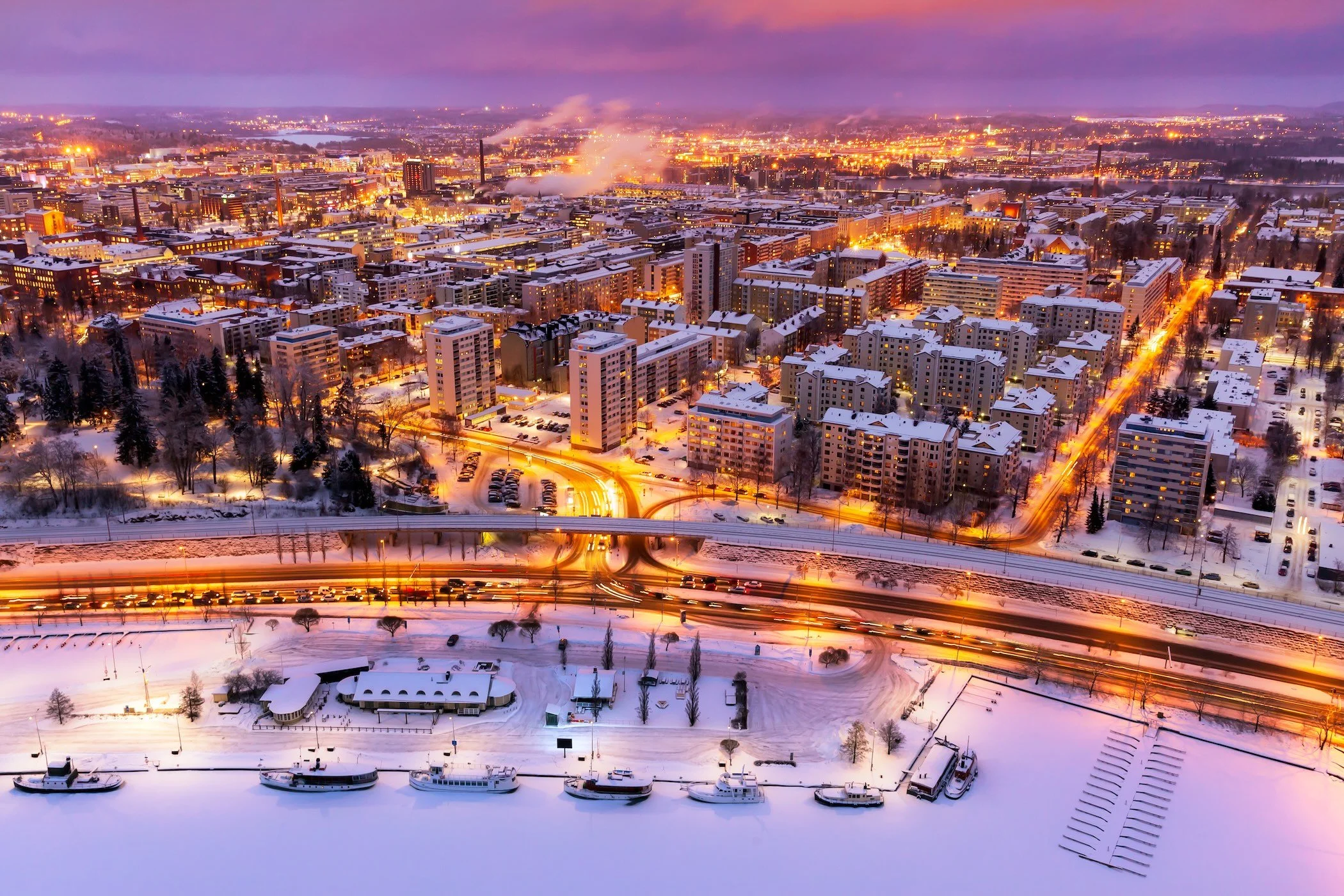
Finland
Demonstration pilot | Replication pilot
To ensure climate adaptation solutions are inclusive and accessible, our Finland Climate Adaptation Lab is engaging communities in the planning of nature-based solutions in local daycare centres.
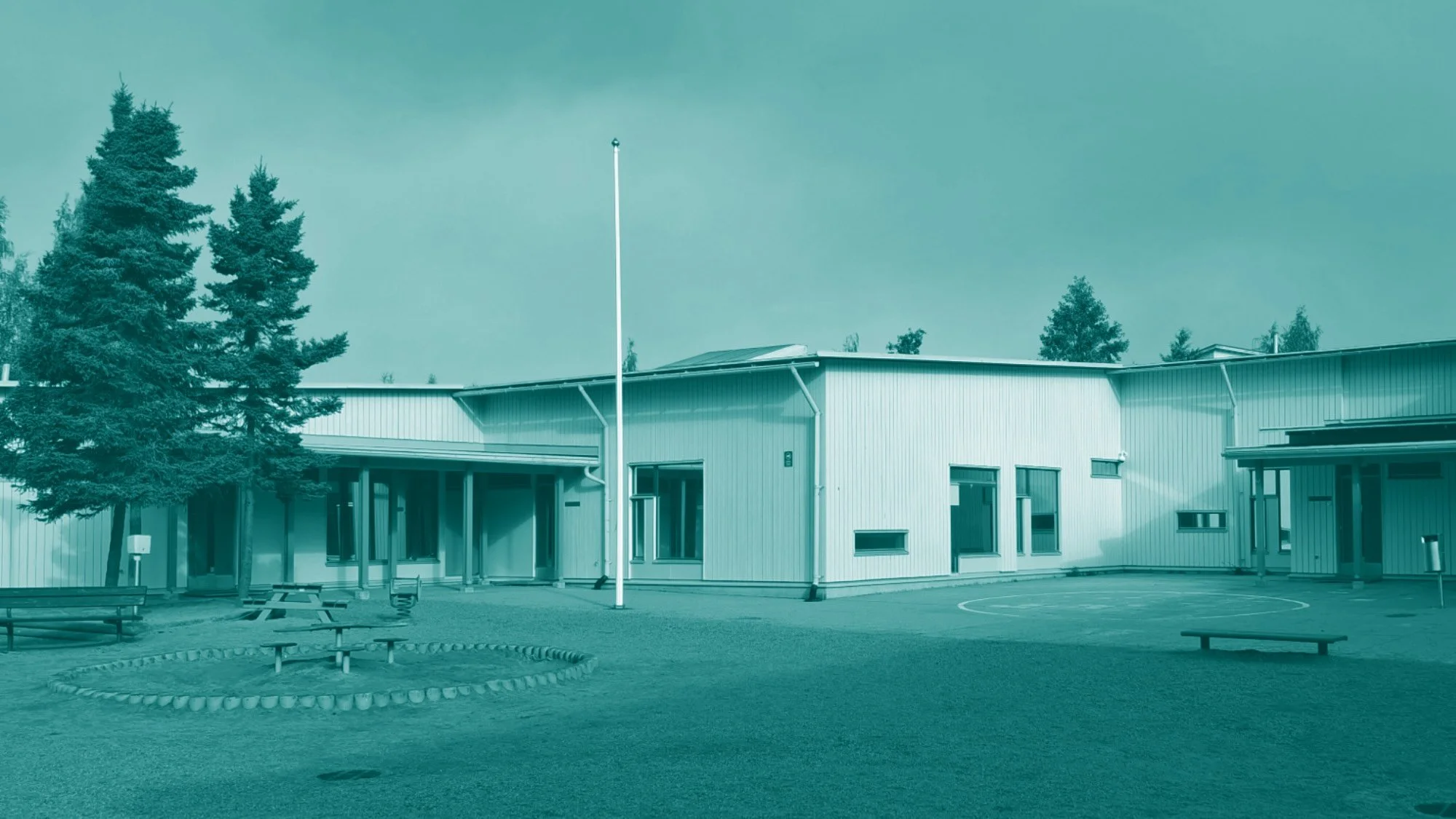
With a population of over 260,000, Tampere is the third largest city in Finland, with strong technology and service sectors attracting more people to the city. As the demonstrator pilot for the Finland Climate Adaptation Lab, Tampere is testing and implementing nature-based solutions to build climate resilience at the Metsäniitty Daycare Centre.
250 kilometres across the Finnish Lakeland, the city of Kuopio faces similar climate challenges and is also a centre for growth in Finland. Representatives from Kuopio are participating in the design and implementation in Tampere, with the goal of evaluating the replicability of solutions for daycare centres in their city.
In the Finnish cities of Tampere and Kuopio, climate risks are worsening as urban density increases. This particularly impacts vulnerable groups, including children, elderly people and low-income residents.
Finland Climate Adaptation Lab at a glance




Landscape
Climate challenges
Potential solutions and tools
Sectors involved
Urban areas
Stormwater flooding, heatwaves, drought, biodiversity loss
Nature-based solutions, stormwater management
Health and social care, education
Climate challenges facing Tampere and Kuopio
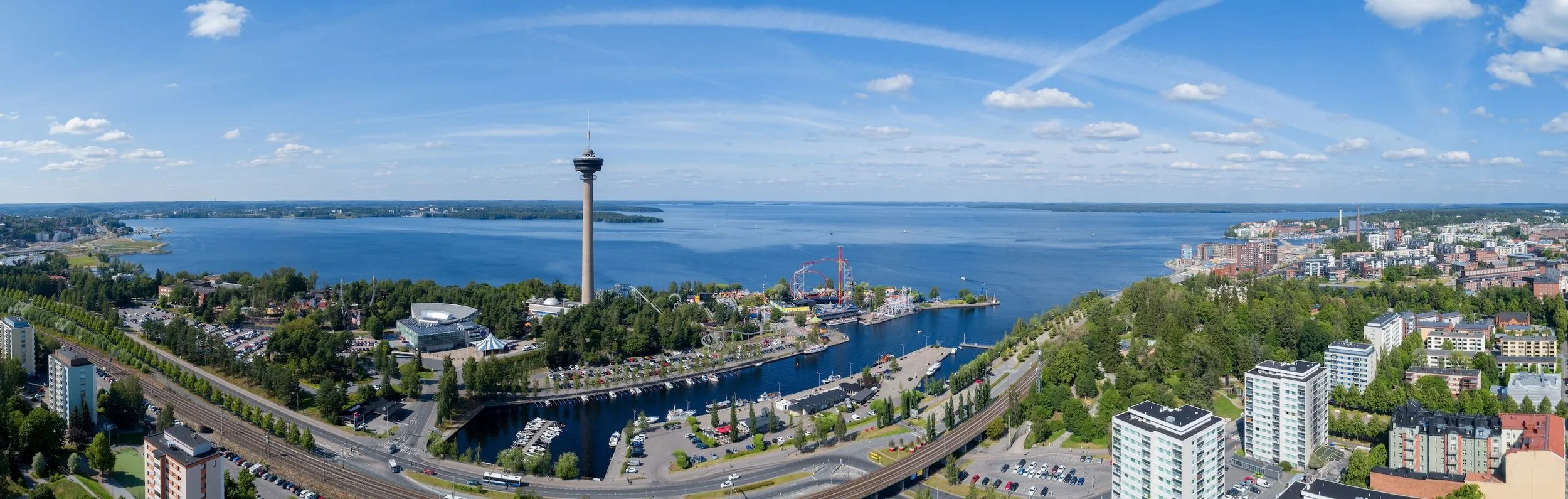
Tampere and Kuopio are becoming increasingly vulnerable to climate risks including:
Heavy rainfall and stormwater flooding, especially in dense urban areas
Heatwaves and urban heat island effect
Periods of drought
Biodiversity loss and spread of invasive species
What are the potential climate adaptation solutions?
The Finland Climate Adaptation Lab is focusing on nature-based solutions to the climate risks facing both Tampere and Kuopio.
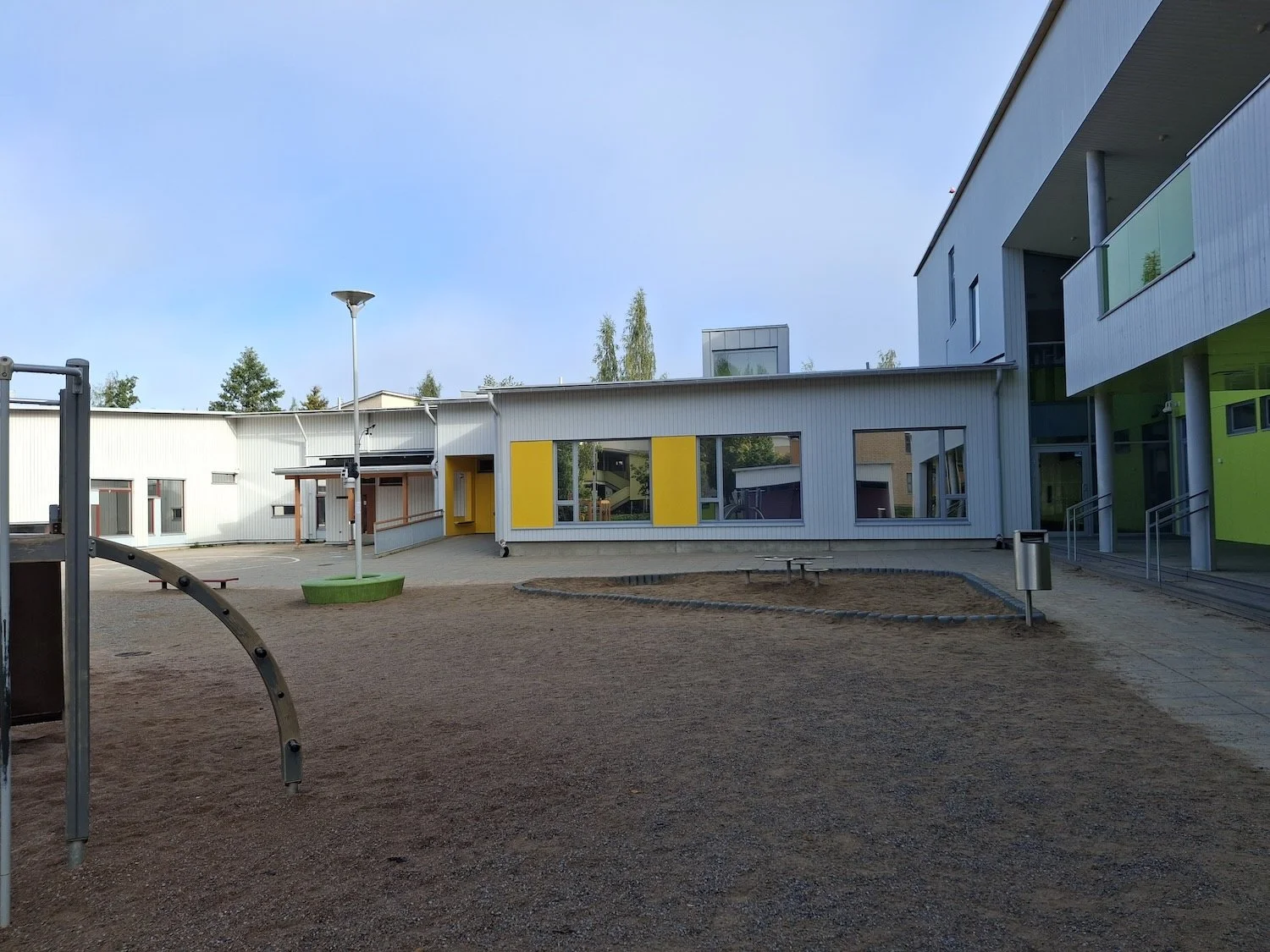
Beginning in Tampere, the Lab is creating a multi-functional playground at the Metsäniitty Daycare Centre that will combine play areas and urban greenery. Increasing tree planting and expanding green spaces will tackle the city’s urban heat island effect, and the multi-functional design of the playground will also include solutions to better manage stormwater runoff.
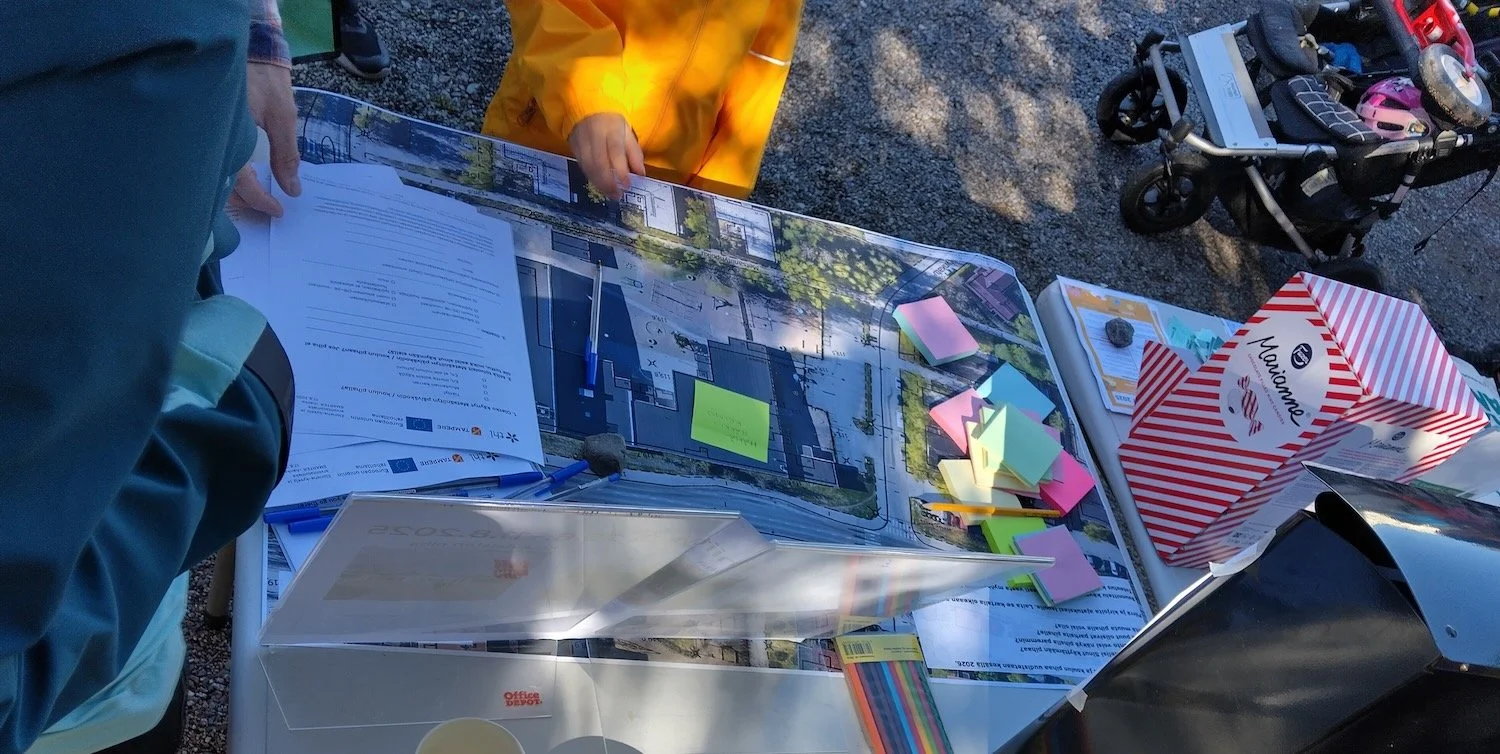
To ensure solutions for the daycare centre meet the needs of all population groups, participatory planning measures are being used to engage local communities that use the daycare centre, including pupils, youth groups and elderly residents.
By improving green spaces in daycare centres, the Finland Climate Adaptation Lab will not only bring benefits for climate adaptation, but for the cities’ residents and users of the daycare centre by preventing the negative health impacts of the urban heat island and creating more functional spaces for social connection.
Further reading
Partners