
Nature-based playgrounds: designing climate resilient infrastructure to boost community health and wellbeing in Finland
Snow-covered forests and iced-over lakes are usually what comes to mind when we imagine a Nordic winter. But for countries like Finland, where global warming is occurring at a much faster rate than the rest of the world, these stereotypically snowy landscapes may soon become much less common.
Finland has long been aware of the risks that climate change brings, being the first country to publish a national Climate Change Adaptation Strategy back in 2005. But despite this, the impacts of the climate crisis are still hitting the country hard. Milder winters, hotter summers and heavy rainfall are becoming the new normal for Finland, and these changing weather conditions aren’t just having an impact on the environment and biodiversity – human health is also at risk, particularly among vulnerable groups such as children and the elderly.
In a country where infrastructure has been built to withstand long, harsh winters rather than intense heatwaves, advancing climate adaptation is necessary to help people, nature and the economy deal with changing weather and climate conditions. Tytti Pasanen, a senior researcher in environmental health at the Finnish Institute for Health and Welfare, explains how SMARTER’s Finland Climate Adaptation Lab is helping daycare centres in the cities of Tampere and Kuopio to manage climate risks.
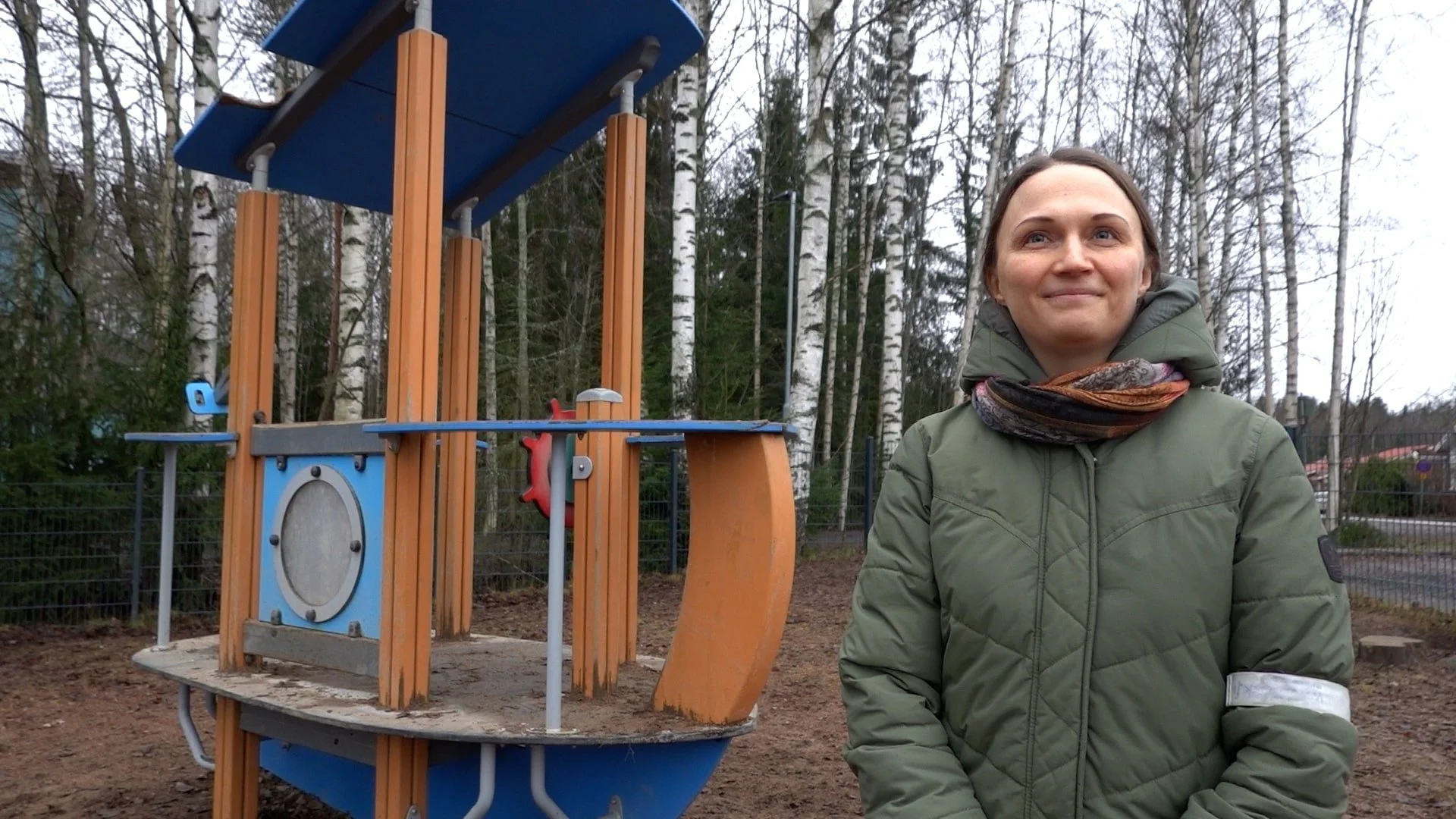
Tytti Pasanen
Senior researcher at the Finnish Institute for Health and Welfare
Why does climate change mean we need to rethink Finland’s playgrounds?
Although the climate crisis is creating challenges for the whole of Finland, particularly as our infrastructure has not been built to withstand the hotter temperatures that we’re starting to experience, increasingly adverse weather conditions don’t impact all Finns proportionally. Children are one of the most vulnerable groups to the impacts of heat stress, as well as elderly people and those with chronic illnesses.
Outdoor learning and play are vital parts of children’s development. In Finland, given our typically cold weather and lack of daylight in winter months, playgrounds have often been built to maximise the amount of sunlight exposure, meaning there is little natural shade and areas to alleviate heat stress. Because of this, they aren’t designed to cope with the hotter summers and rainier winters that are becoming more common, and this can prevent children from spending time outside.
Recently, there has also been nationwide research on the impact of increasing nature in daycare centres on children’s immunological health. We therefore decided that, by finding innovative, nature-based solutions for daycare centres, our work would benefit several purposes. These include contributing to national climate adaptation objectives by increasing climate resilience of key infrastructure, promoting health by enhancing opportunities to engage with nature, and minimising the negative health impacts of climate change amongst those most vulnerable.
What are the benefits of bringing nature into playgrounds?
Through SMARTER’s Finland Climate Adaptation Lab, we’re working with the cities of Tampere and Kuopio to enable local daycare centres to manage the environmental and health impacts of climate change.
Starting in Tampere, our team is helping to redesign the playground at the Metsäniitty Daycare Centre and School. Currently, the playground intensifies the impacts of climate change. In summer months, a lack of trees and natural shade in the playground makes it hard for children to escape the heat, and its artificial surfaces become hot, sandy and dusty. These artificial surfaces also bring challenges in the rainier and colder months, as poor drainage causes flooding and low temperatures can cause them to become icy and slippery.
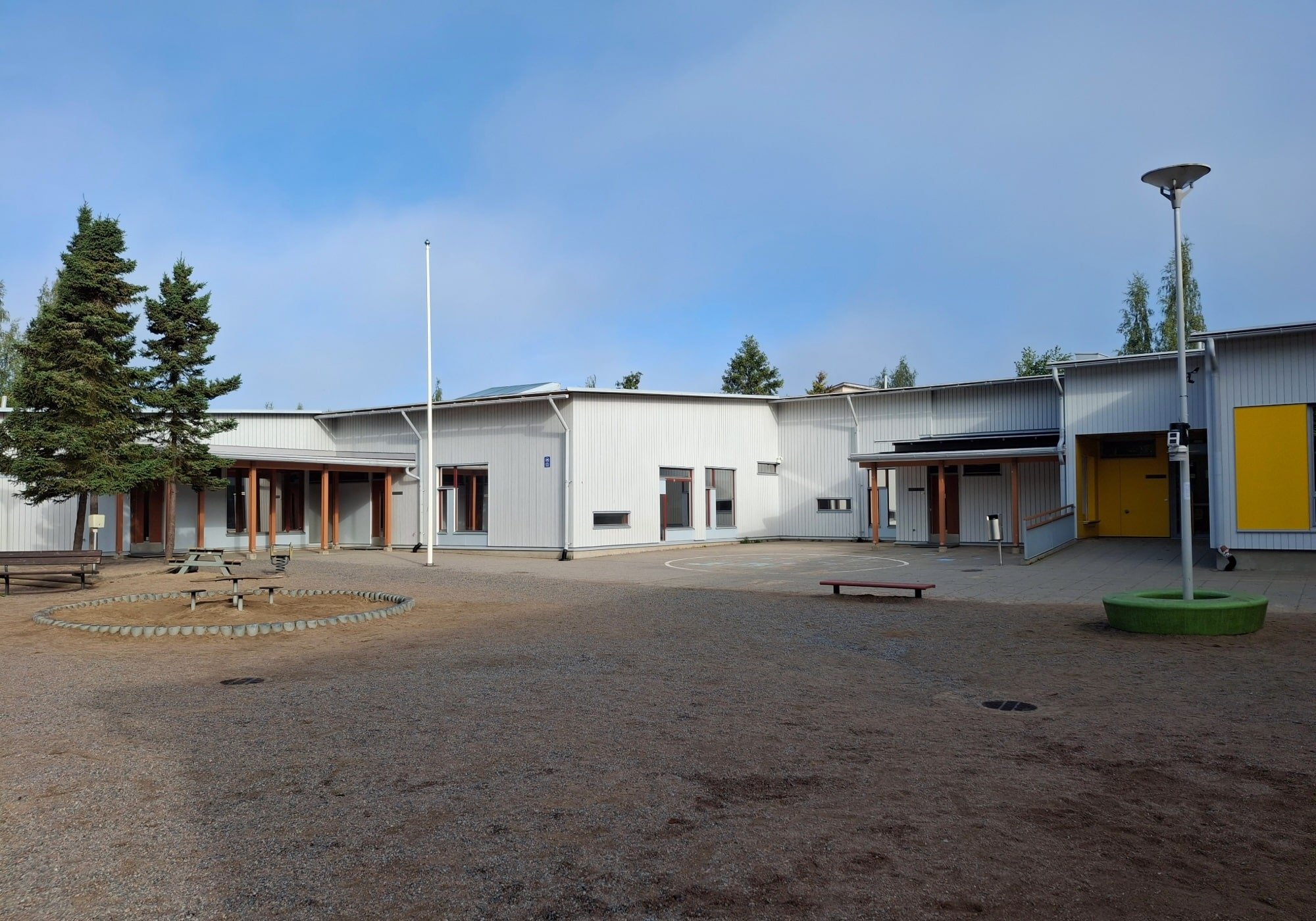
The Metsäniitty Daycare Centre playground in Tampere, Finland
To make the playground more suitable, we will be designing and implementing a space that includes nature-based solutions. Our initial plans include a lichen roof on a storage building, stone river for drainage, natural surface materials and more vegetation in general. By increasing natural shade and improving stormwater absorption, the daycare centre and its users will thus be better equipped to deal with climate change, and children will also be able to develop a stronger relationship with nature and gain exposure to nature that is beneficial for their physical and psychological health.
How are you involving local people in the design process?
The Metsäniitty Daycare Centre is situated in the Annala neigbourhood of Tampere. Although it’s mostly used by local children, by re-designing the playground into a multifunctional, natural space, we hope the daycare centre will become a vibrant community space for all residents.
We want to make sure that the yard is attractive to use and benefits the local community, so it’s crucial that local residents are involved in this process. The Kaukajärvi-Annala development programme, which the Annala neighbourhood has been part of for the last two years, helped us to get involved with the community here in Tampere. By attending community events, we’ve spoken to local residents, daycare staff and children to understand the issues they’re facing and how the re-designed yard can solve
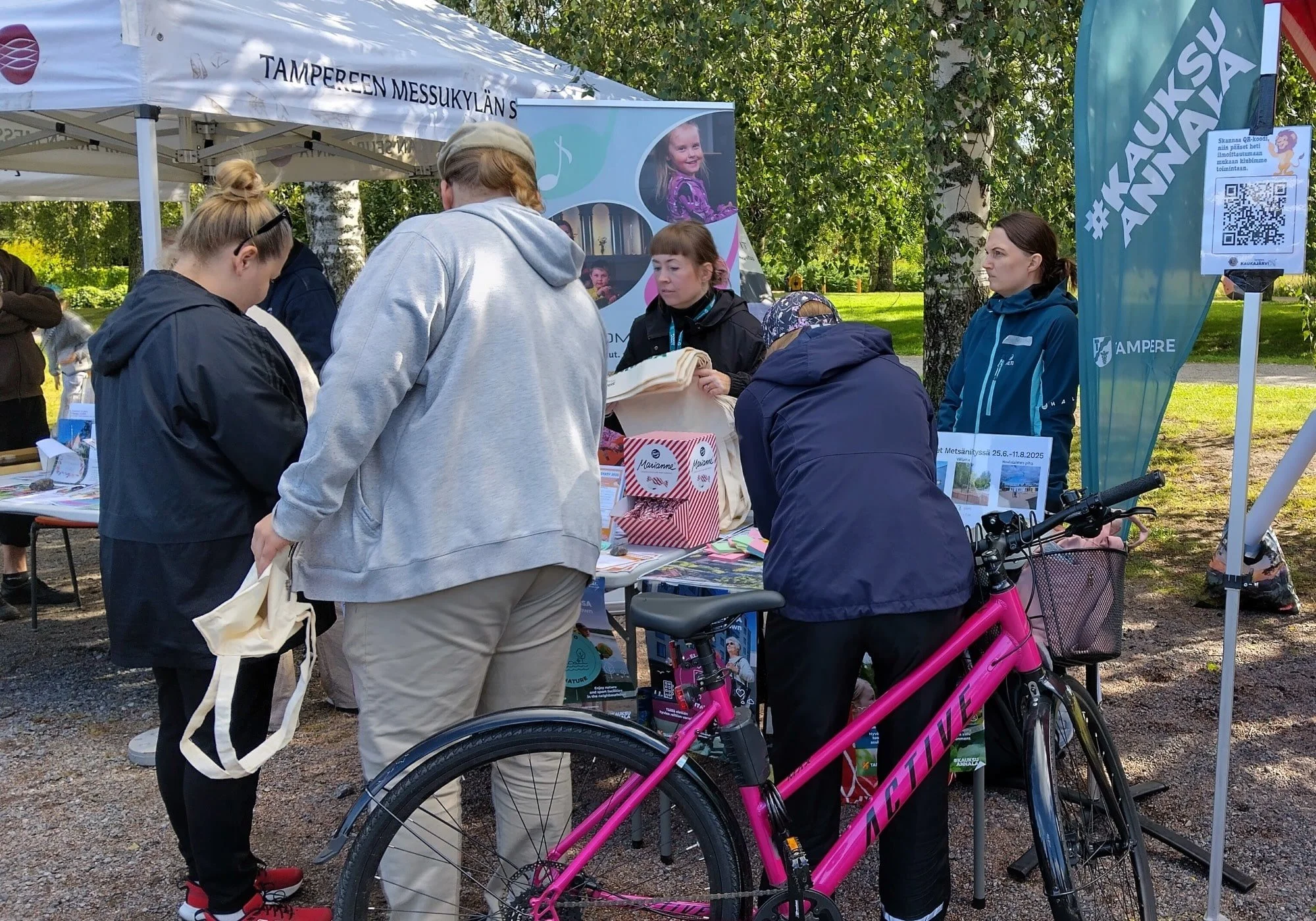
SMARTER’s team from the Finnish Institute for Health and Welfare and City of Tampere at a community event in Annala, Tampere.
Recently, we worked with Oppla, SMARTER’s communications partner, to run a workshop using Minecraft to talk to local children about nature-based solutions. After exploring the Minecraft version of the daycare centre, the children got to work designing their own nature-based solutions to transform their playground into a fun, climate resilient space that benefits both the environment and the people using the yard.
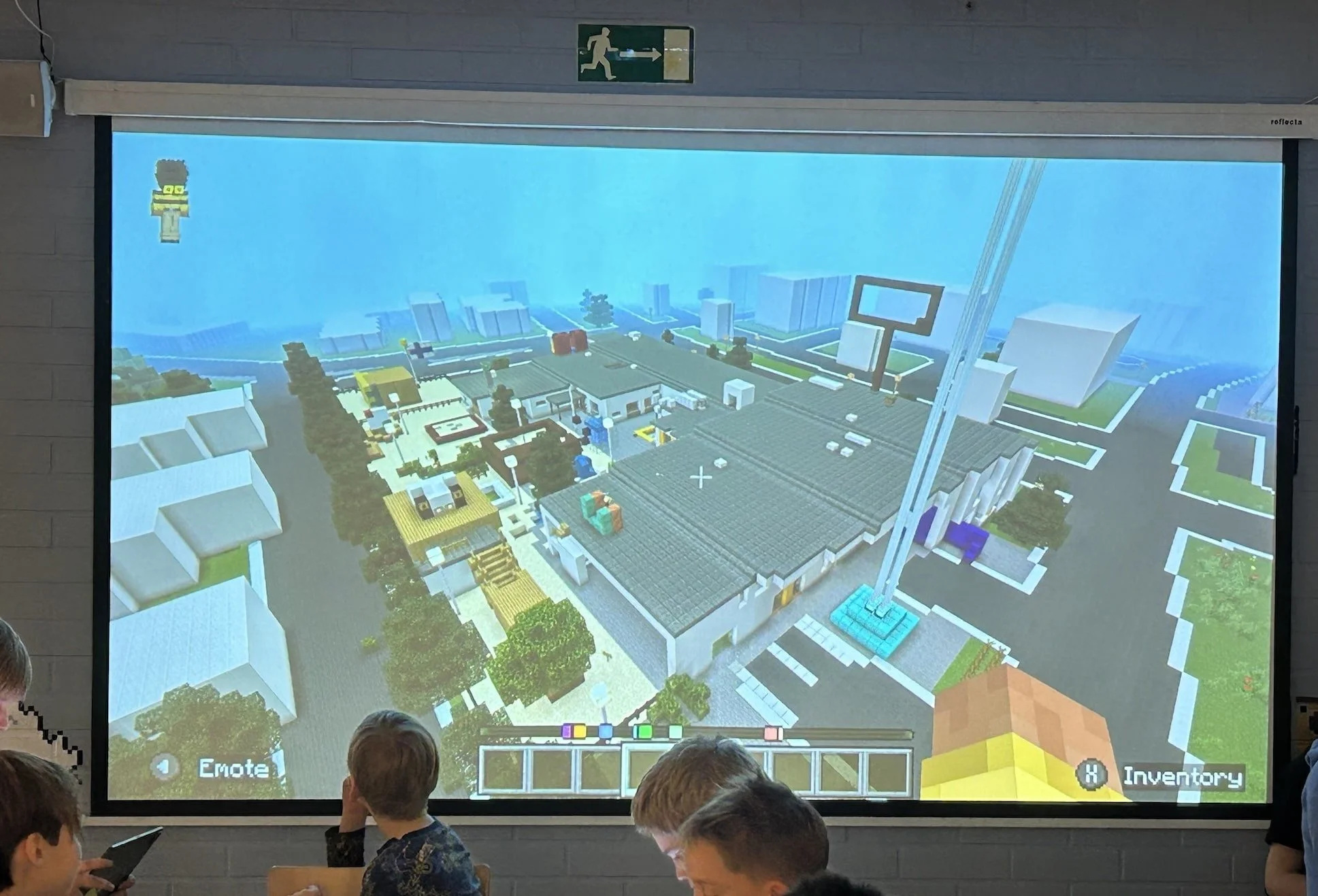
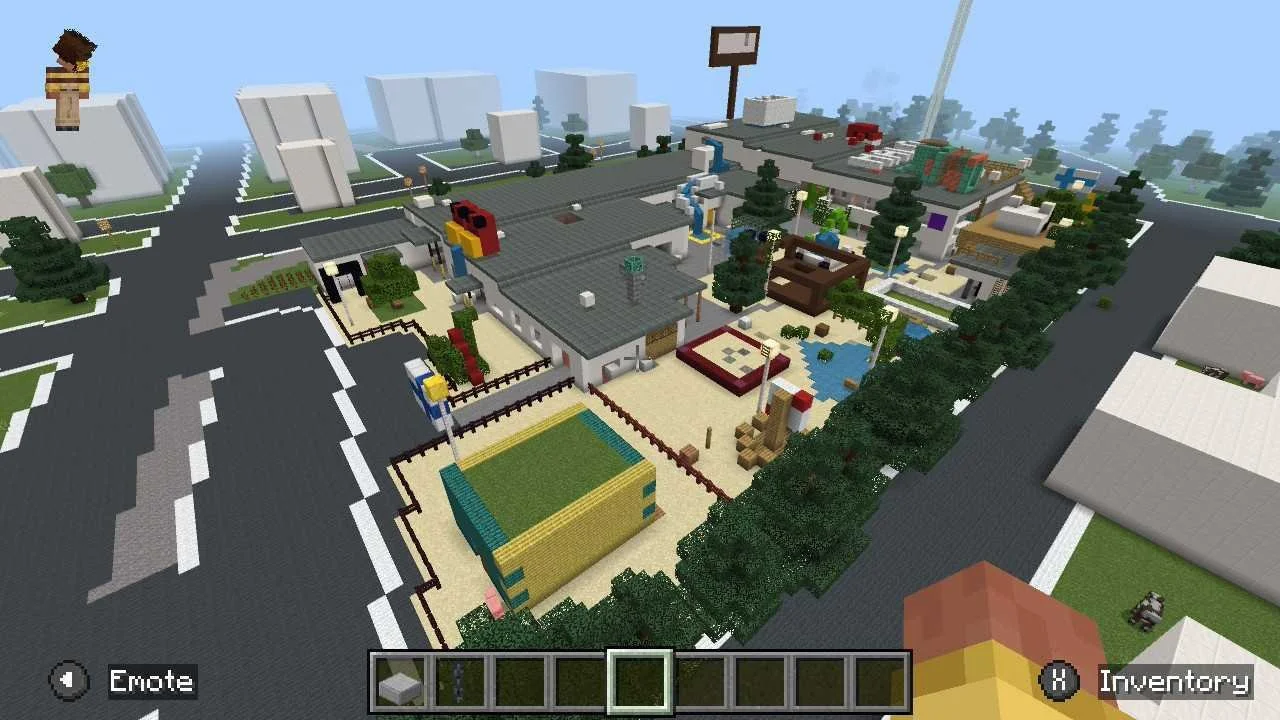
Using the information we’ve received from the pupils, their families and other residents, we’re collaborating with professionals working in early education, property management and landscape planning to understand both the common issues we’re facing on a national level, and needs on the local level. This information is further used to plan solutions that tackle local climate challenges while aligning with national adaptation objectives and the end-users' wishes.
What are your plans for 2026?
Our project is off to a great start, and we are already beginning the official planning process of the playground. Over the next few months, we’ll be working hard to make sure everything is in place to begin the renovations of Metsäniitty’s playground this summer.
Throughout the project in Tampere, representatives from the city of Kuopio have participated in the planning process and will continue to be involved with the design and implementation stages so that they can evaluate the replicability of the solutions for daycare centres in their city. Once the re-designed playground at Metsäniitty Daycare Centre is complete, we’ll be working in Kuopio to expand the initiative to a new city.