Flanders
Replication pilot
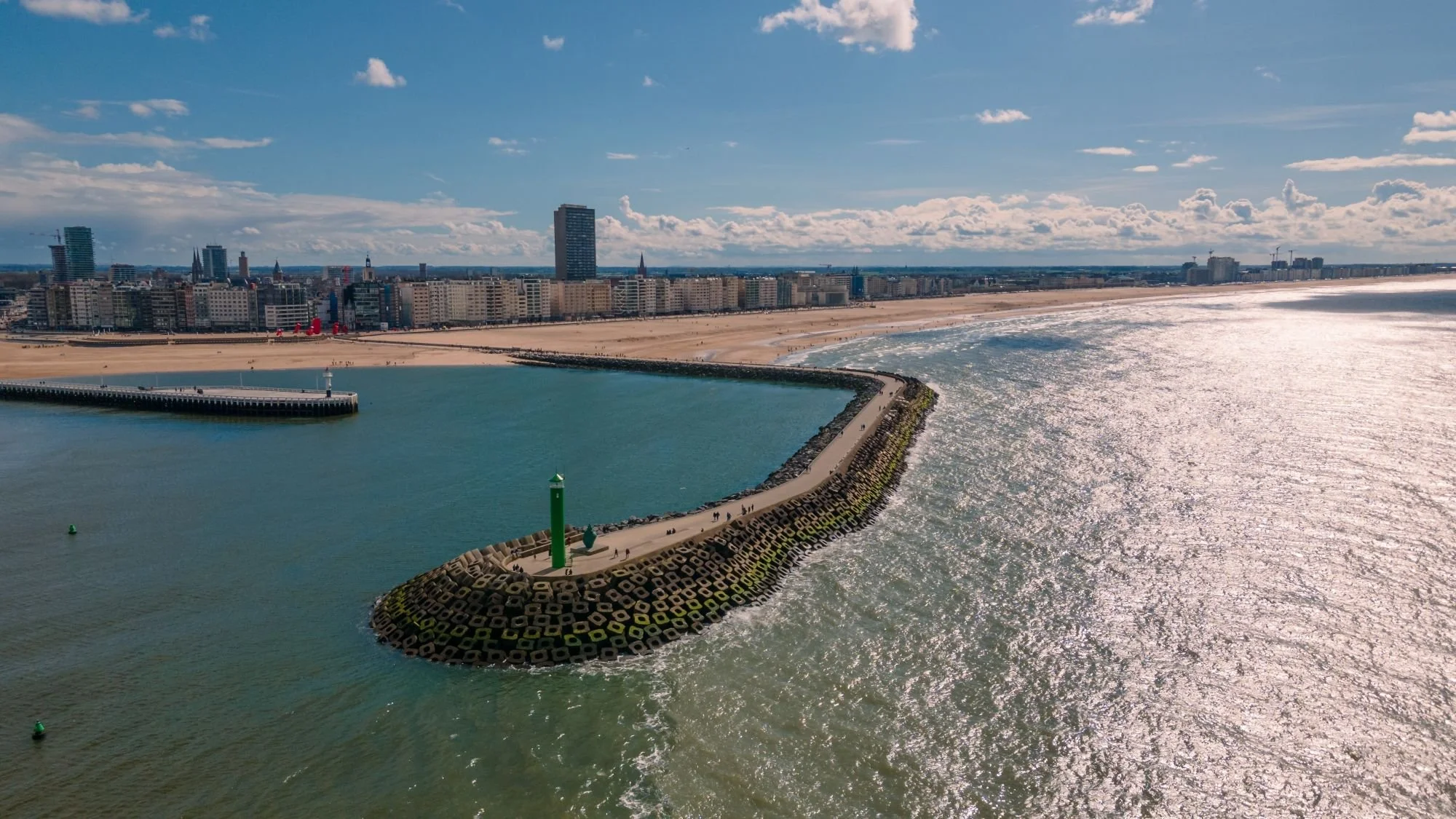
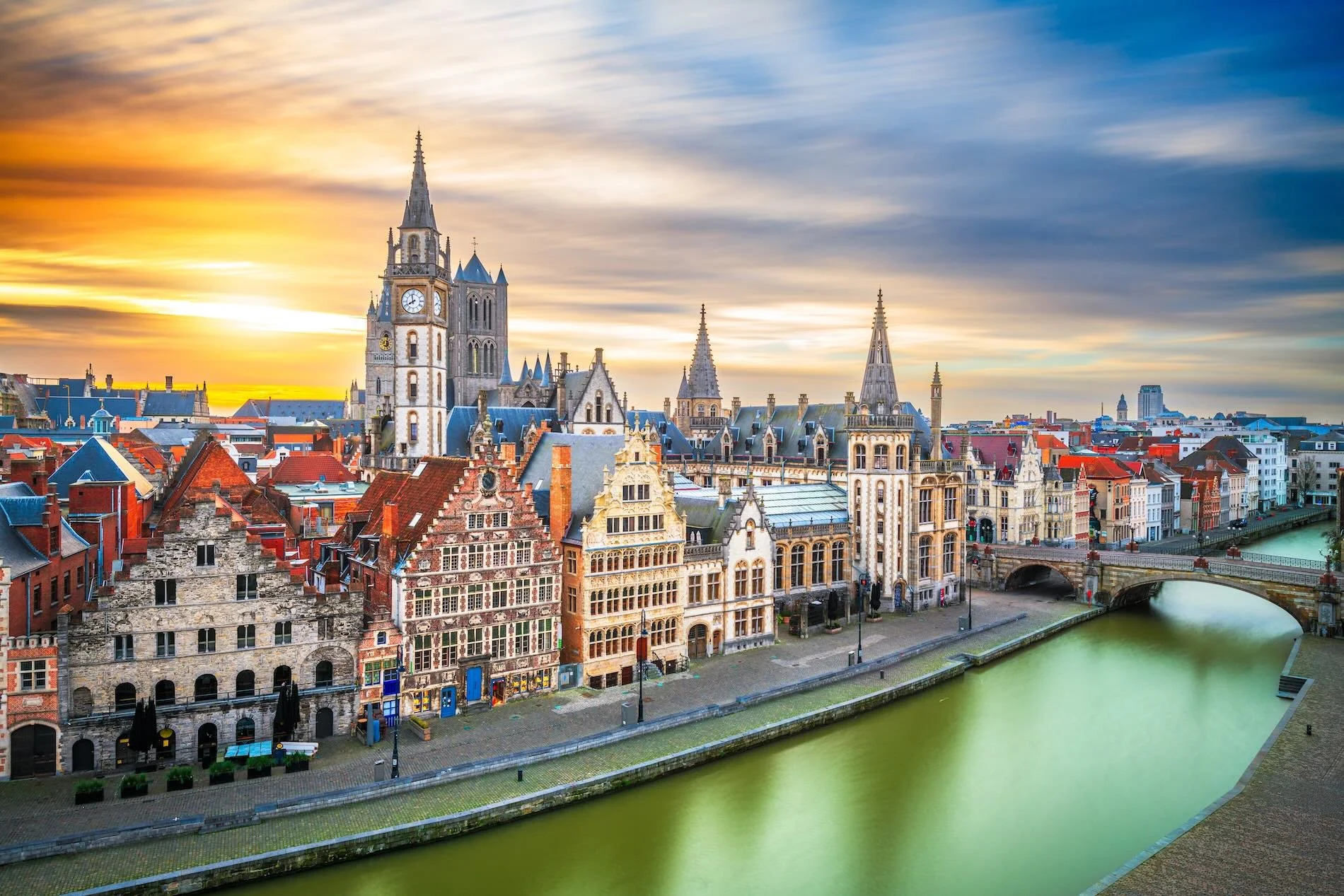
Flanders, the Dutch-speaking region in the north of Belgium, is one of the country’s three regions and is home to Antwerp and Ghent, Belgium’s second largest cities after its capital Brussels. In addition to a large urban population, Flanders is home to vast natural areas, including the Belgian coastline and the Campine, a plateau region made up of extensive moors, tracts of sandy heath, and wetlands.
Due to its vast urban sprawl, approximately 16% of Flanders is paved, one of the highest rates in Europe. This means that the region is highly susceptible to flooding and has limited capacity for natural water infiltration.
By collaborating closely with the Ostend Climate Adaptation Lab, the Flanders Lab will replicate and upscale climate adaptation solutions to tackle flooding and drought on a regional level.
Flanders Climate Adaptation Lab at a glance



Landscape
Climate challenges
Potential solutions and tools
Sectors involved
Coastal
Flooding, drought, water scarcity
Depaving
Agriculture
Climate challenges facing Flanders
The Flanders region is facing climate challenges related to water and drought, which is impacting citizen health.
Despite its coastal location, water scarcity is a key challenge, as well as flooding along various rivers after periods of intense rain.
High levels of paving worsens the impacts of the heat island effect in urban areas.
What are the potential climate adaptation solutions?
As a result of the climate challenges that the region faces, solutions implemented in the Flanders Climate Adaptation Lab will focus on reducing and managing flood risks, as well as addressing droughts.
Depaving and restoring permeable surfaces to tackle the urban heat island effect will play a key part in the Lab’s adaptation strategy. As heat stress directly relates to citizen vulnerability, in addition to technical interventions, these solutions will require a strong social dimension to ensure equity and resilience.
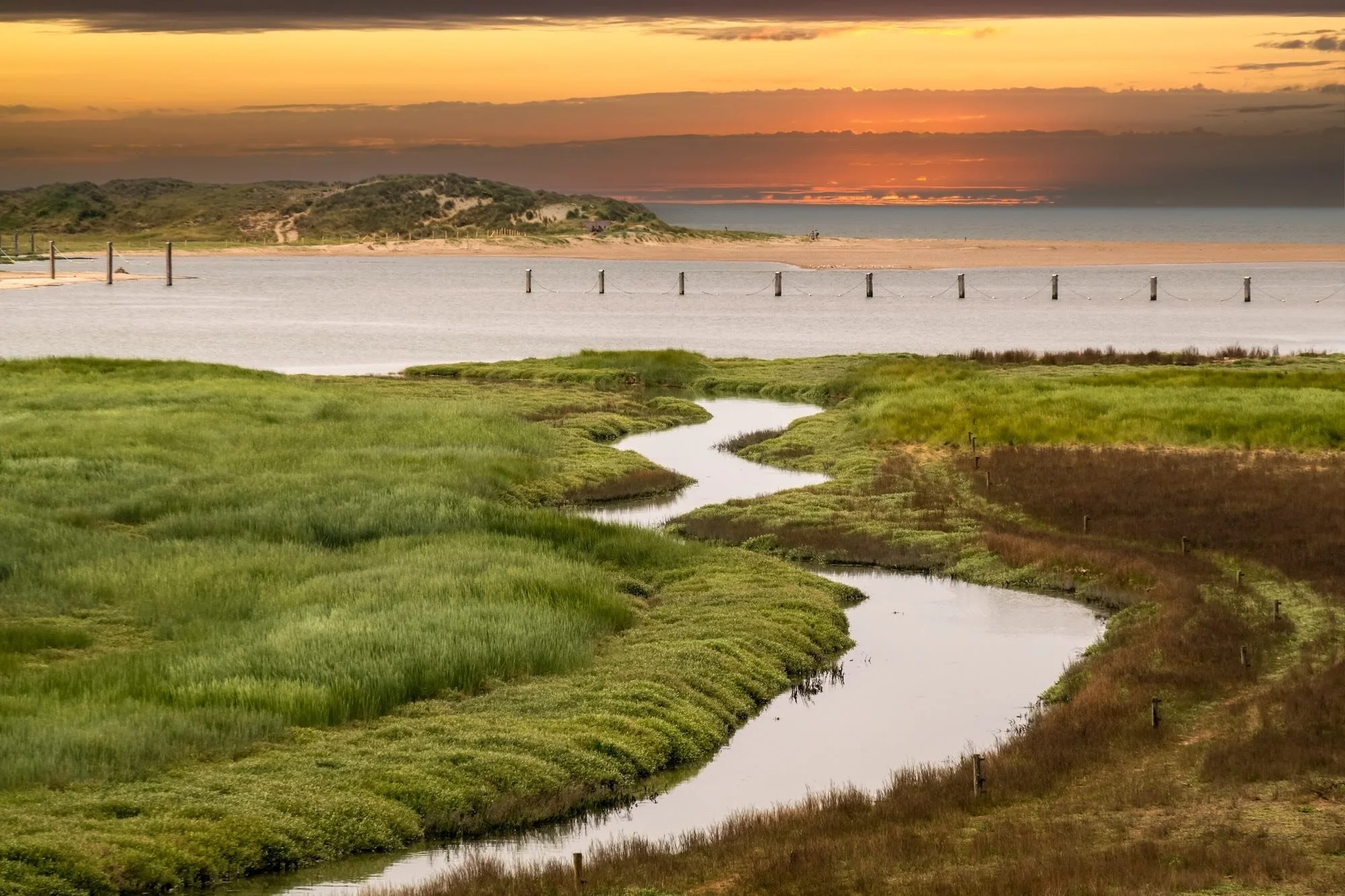
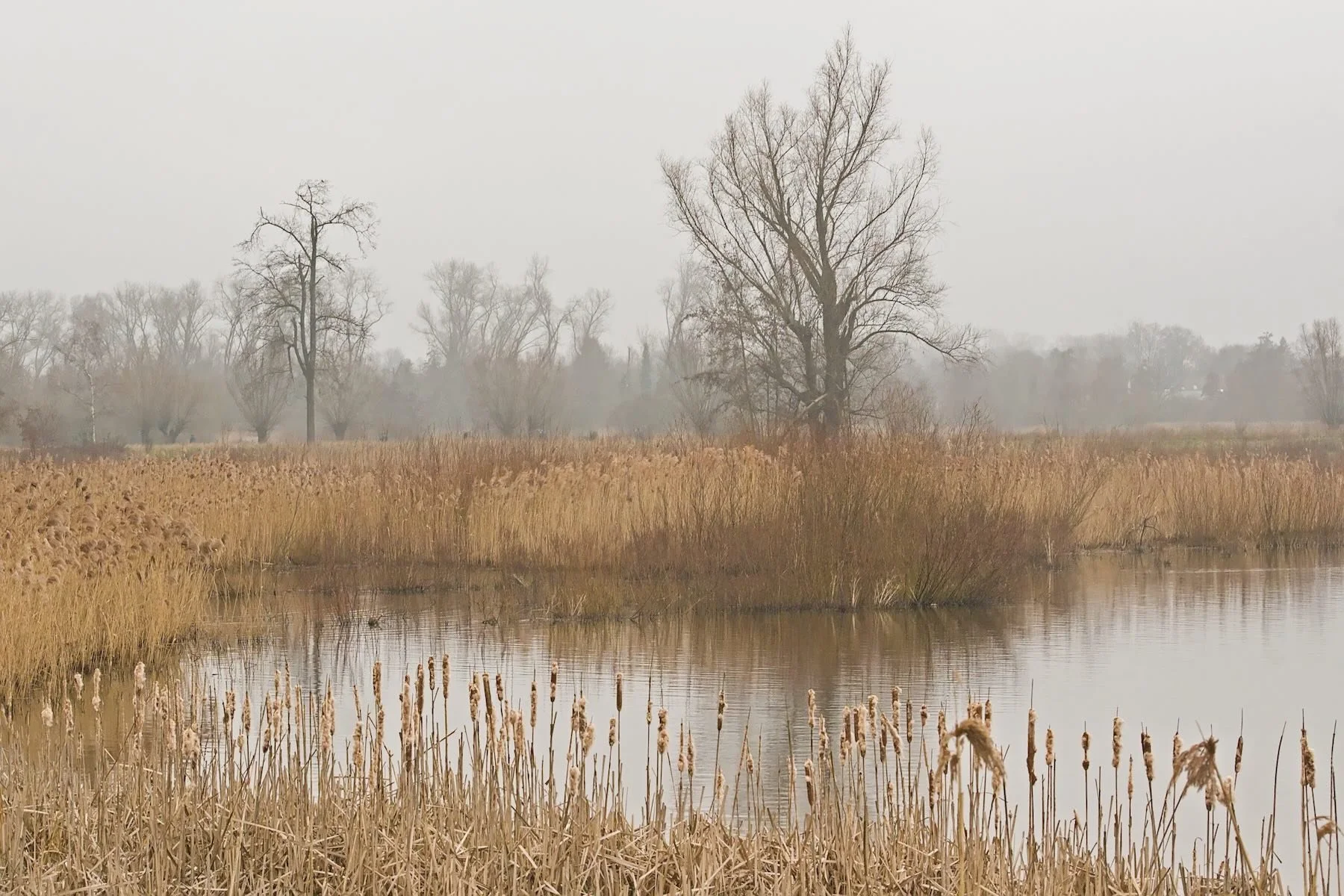
As well as adaptation solutions for urban areas, another key objective for Flanders’ adaptation solutions is ensuring water availability for farmers. By reducing and managing flood risks, the Lab also aims to build resilience for agricultural landscapes in the region.
Given that public funding for climate adaptation is limited in the region, the Lab is also exploring opportunities for public-private financing.
Partners


Further reading
Related Climate Adaptation Labs
The Flanders Climate Adaptation Lab is collaborating with the Ostend Lab to replicate climate adaptation solutions on a regional level. The Lab is also working closely with other coastal regions to advance adaptation to heat stress and water scarcity.