
Climate change mitigation, adaptation and resilience: what’s the difference?
The impacts of climate change are now unavoidable, with risks such as flooding, wildfires and drought happening both more frequently and more intensely. However, there are many different actions and strategies being implemented in an attempt to protect our planet.
Climate mitigation, climate adaptation and climate resilience are key terms commonly used to describe these different climate measures. However, they can sometimes be confused or used interchangeably. SMARTER is an EU-funded research project working to advance systemic climate adaptation by working with local and regional communities across Europe. We’ve unpacked these important terms to help explain the key aspects of our research, as well as to help you navigate the different dimensions of climate action.
What is climate mitigation?
Climate mitigation actions reduce or prevent the emissions of greenhouse gases from human activities such as burning fossil fuels, farming livestock and deforestation to slow the rate of global warming. This is achieved either by reducing the sources of these gases, for example replacing fossil fuels with renewable energy, or enhancing the ‘sinks’ that accumulate and store these gases, such as forests, soil and oceans.
Examples of climate mitigation:
Shifting away from fossil fuels and transitioning to renewable energy sources
Conserving and restoring critical ecosystems such as forests, wetlands and peatlands to improve carbon sequestration
Implementing regenerative agricultural practices, including enhancing soil health, reducing livestock-related emissions, direct seeding techniques and using cover crops
What is climate adaptation?
Climate adaptation, on the other hand, focuses on how we adjust to the current or predicted climate conditions. While mitigation efforts are vital, now, regardless of how well we limit the root causes of climate change, society is facing significant impacts of a warming planet. Therefore, we must anticipate and adapt to climate risks and impacts, such as extreme weather, sea-level rise, biodiversity loss, or food and water insecurity, in order to prevent or minimise damage caused by the climate crisis.
Examples of climate adaptation:
Designing buildings and infrastructure to be more resilient to climate change impacts, such as sea level rise and extreme heat
Using smart irrigation systems to optimise and reduce water use for agriculture
Restoring wetlands and other natural water storage systems to improve water retention and reduce the impacts of floods
What is climate resilience?
Climate resilience is often conflated with climate adaptation, and while they are related in many ways, they are two distinct terms. Whereas adaptation is the process of adjusting to climate conditions, resilience is the capacity to cope with and recover from these impacts. This means that, rather than implementing changes to adapt to predicted climate conditions, resilience measures consider how different systems - whether it’s a city, farm, business or ecosystem - can maintain their core functions and identities in the face of climate adversity.
Examples of climate resilience:
Climate dashboards that help farmers adjust planting based on weather and drought forecasts
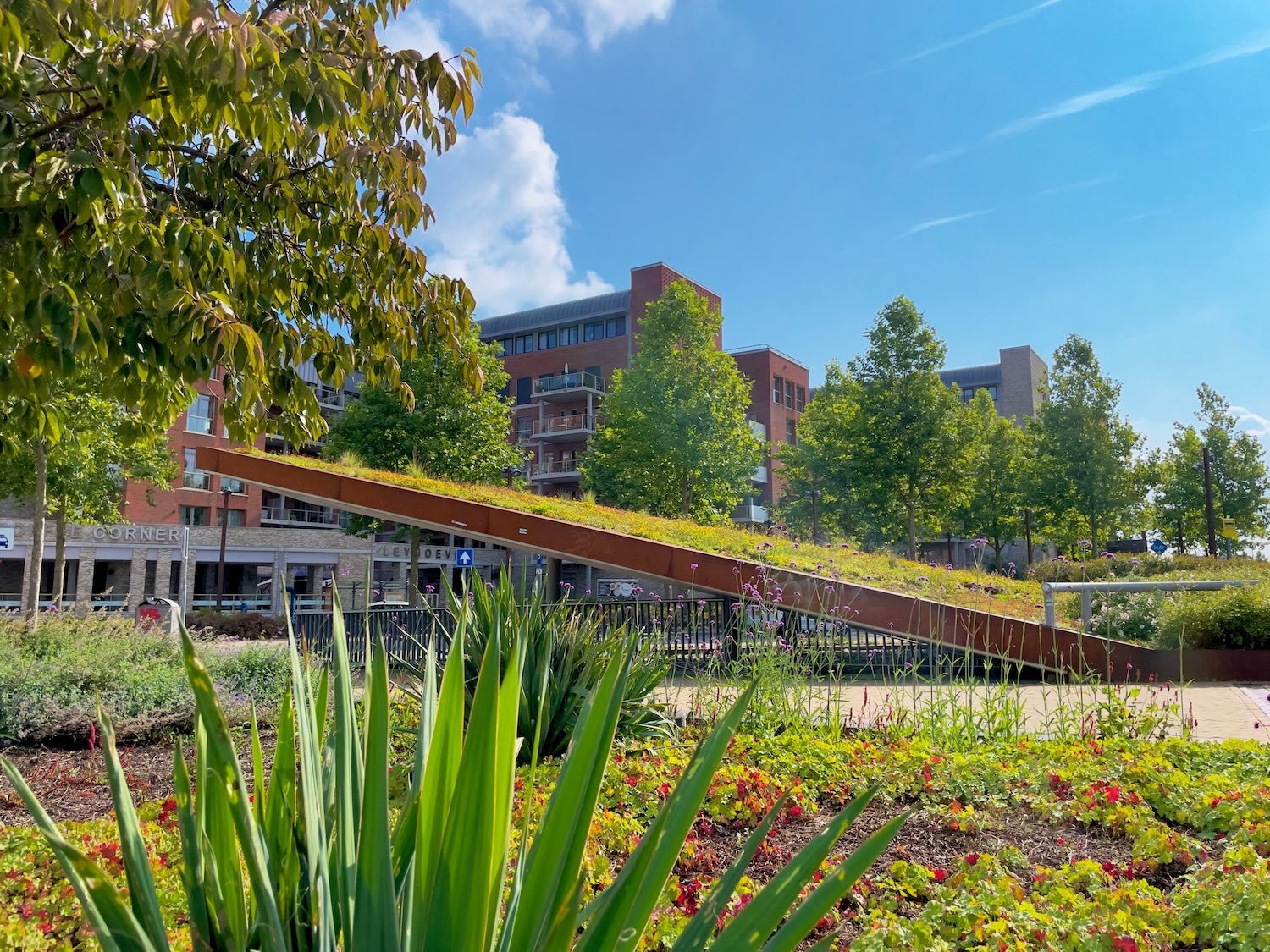
Increasing green spaces in urban areas to increase flood absorption capacity
So, how do they all fit together?
Climate mitigation, adaptation and resilience can sometimes be seen as separate priorities, and while they are separate terms, they are all inextricably linked when it comes to climate strategy. The success of efforts to mitigate greenhouse gas emissions will determine how we need to adapt to climate impacts and the level of resilience needed to recover from extreme weather and climate hazards.
Furthermore, many climate measures don't contribute to just climate adaptation, mitigation or resilience, but actually have co-benefits for all three. For example, by planting trees to increase shade in daycare centres, our Finland Climate Adaptation Lab will help local communities to build resilience to increasingly frequent heatwaves. But, as trees are also vital carbon sinks, they will also contribute to mitigation efforts.
To help debunk some of the most commonly used climate terminology, both within the SMARTER project and more widely, we’re developing our Climate Adaptation Glossary. Learn more about climate adaptation, resilience and other terms by exploring the glossary: