
To limit the impacts of the climate crisis, we must adopt a systemic approach to climate adaptation
Over 30 years on since the United Nations Framework Convention on Climate Change came into force, at least 84 percent of its 198 parties have now established an adaptation plan, strategy, law or policy, including the EU Adaptation Strategy.
Despite this progress, as climate disasters happen more frequently and bring more severe impacts for communities, ecosystems and the economy, it’s clear that existing adaptation approaches are failing to keep pace with the unprecedented rate of climate change.
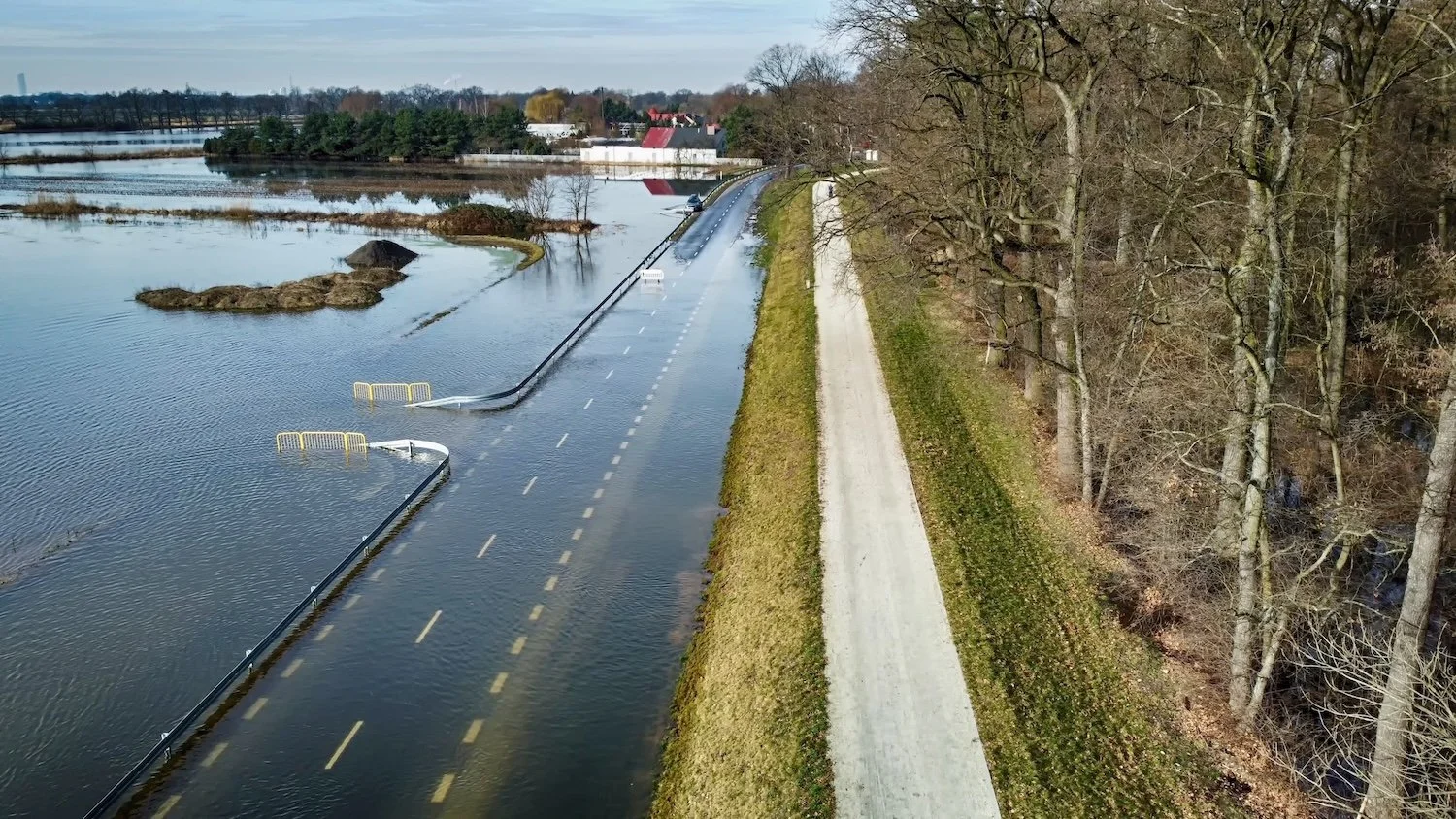
Extreme weather events, like flooding, are becoming more severe as a result of climate change
Quick, isolated fixes to the impacts of extreme climate and weather events have limited the success of many adaptation interventions. To effectively build climate resilience across Europe, we must consider the interconnections between different systems and adaptation solutions on different sectors, ecosystems and communities.
What has limited the effectiveness of climate adaptation measures?
The influx of climate disasters during 2025 exposed a global failure to adapt to the climate crisis (as well as to limit greenhouse consumption to prevent further warming). While this is in part because climate change is happening quicker than ever before, especially as global temperatures in 2025 officially exceeded the 1.5 °C threshold for the first time, it’s also the result of how climate adaptation strategies and measures have been implemented.
For a long time, governments, researchers and policymakers prioritised efforts to mitigate global temperate rise, overlooking the importance of climate adaptation. The focus on large-scale, long-term solutions, such as national emissions targets, has often overshadowed the need for localised responses to climate risks and, as a result, adaptation efforts have often been reactive. Because adaptation measures are often implemented as quick fixes to the impacts of extreme climate and weather events, they lack the cohesion to tackle the systemic nature of the climate crisis.
Additionally, adaptation initiatives have largely focused on actions by governments or businesses. Because the communities and stakeholders on the frontline of climate risks are often not involved in the planning and selecting, these initiatives often struggle to gain public support, and can sometimes overlook how climate impacts manifest on a local level.
This linear approach to adaptation, through quick, isolated fixes, has limited the effectiveness of climate adaptation efforts, and in some cases has led to maladaptation. When all you have is a hammer, everything looks like a nail and in the absence of other tools, we tend to solve problems the way we always have: by creating new ones.
Why we must move towards a systemic approach to climate adaptation
Nearly every aspect of our society – from how we grow crops, build cities, or organise supply chains – is impacted by climate change. Therefore, to avoid major environmental and socioeconomic disruption, our approach to climate adaptation must shift from isolated efforts towards a systemic approach – one that considers the interconnections between different systems and the benefits and trade-offs of adaptation solutions on different sectors, ecosystems or people.
Metaphorically, you could consider this approach like cooking. One could use either a list of ingredients or a recipe, but which will provide you the best meal – an isolated list of ingredients (through reductionist and linear thinking), or a process that considers how all the ingredients relate to each other?
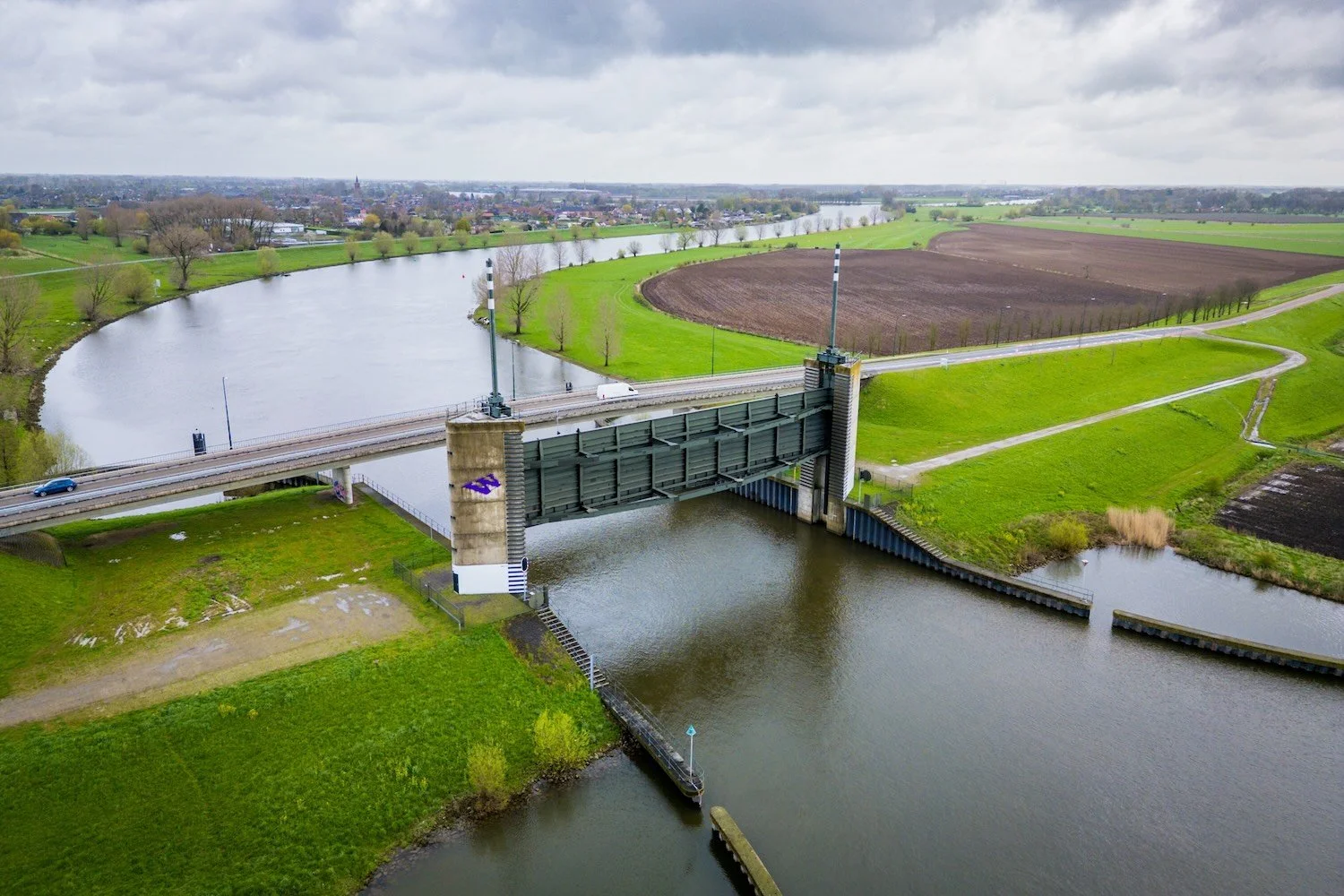
Grey infrastructure, like the flood barrier above, is often built as a quick fix to climate impacts. But, without a systemic approach, this can lead to more risks in the long-term.
Only when we begin to address the systemic relationships and long-term patterns between different solutions and challenges, will we be able to shift climate adaptation responses from simply ‘putting a band aid’ on the problem, to actively limiting and preventing climate risks for people, nature, and the economy.
How SMARTER is advancing systemic climate adaptation
When climate adaptation is imposed solely by governments, businesses or policymakers, it is ineffective. By working with local stakeholders across different sectors and regions, SMARTER is developing solutions that advance systemic climate adaptation that move beyond linear approaches to build local and regional climate resilience.
Throughout the first year of our project, researchers have been collaborating with the teams in our Climate Adaptation Labs to understand their challenges and adaptation needs. Through a participatory process with researchers, local municipalities and other stakeholders, we’ve co-developed causal loop diagrams to analyse the different viewpoints, challenges and system structures relating to climate adaptation in each Lab.
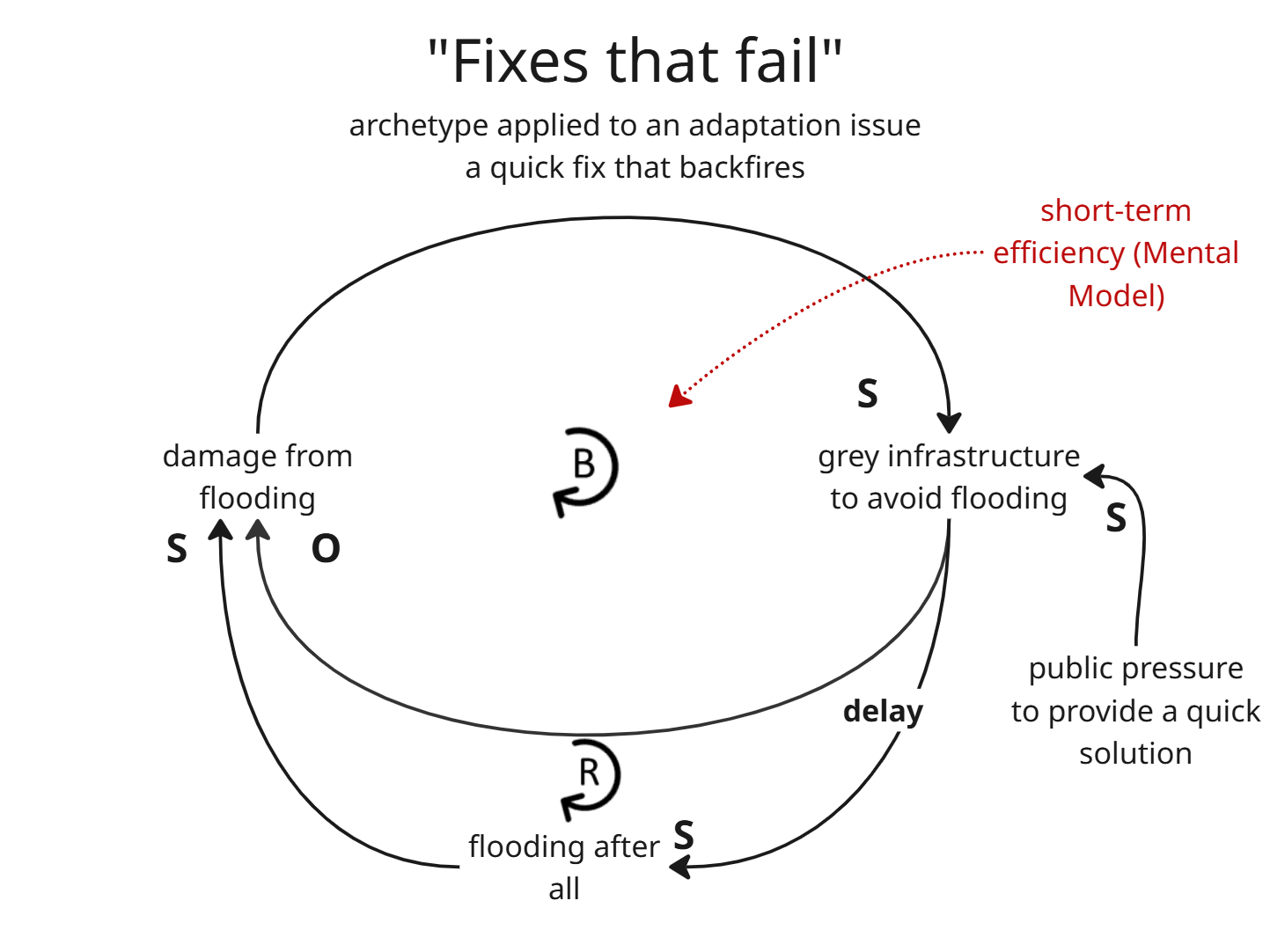
The ‘fixes that fail’ archetype illustrates how fixes that are considered an effective solution in the short-term create side-effects in the long term, eventually requiring even more fixes.
In this example causal loop diagram, this is applied to an adaptation challenge. Damage from flooding causes policy makers to develop a quick fix — grey infrastructure — which temporarily solves the issues, creating a balancing loop (B). But, because people feel protected from flooding by the infrastructure, more building occurs, which eventually leads to more damage — or a reinforcing loop (R).
Because the causal loop diagrams are developed in collaboration with local stakeholders, rather than solely by experts, we're able to dive deeper into patterns, system structures and mental models of these systems.
This analysis is the first step towards developing our solutions for systemic climate adaptation. As the SMARTER project progresses, we’ll use these causal loop diagrams to develop more robust nature-based solutions that are based off our understanding benefits and trade-offs of different adaptation interventions. This way, we can avoid isolated interventions based on specific events, as well as facilitating the replication and upscaling of solutions across different regions.